

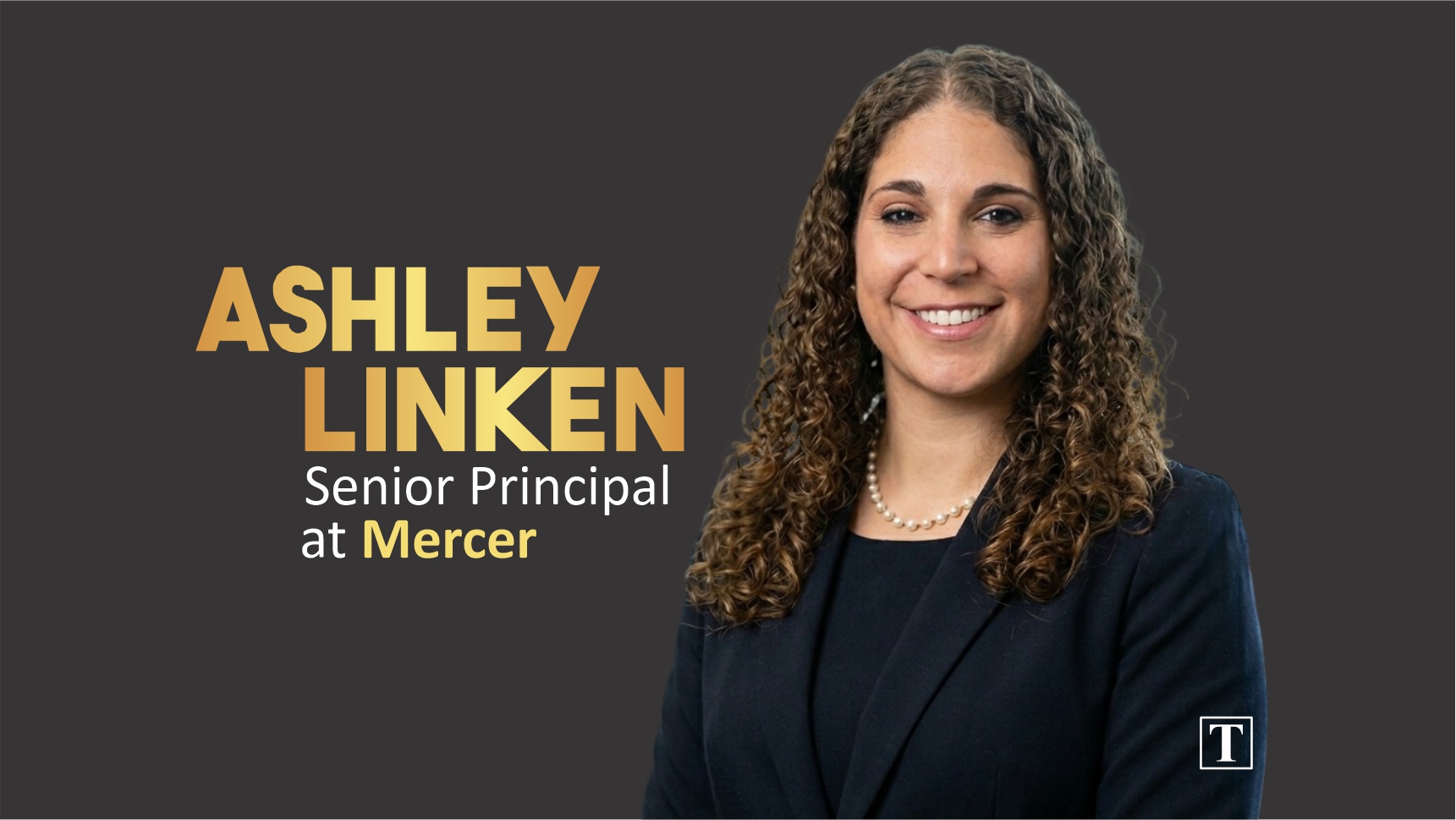
In the high-pressure world of mergers and acquisitions, where deals hinge on precision and people, Ashley Linken stands out as a Senior Principal at Mercer (A Marsh Business), masterfully integrating human capital strategies with business outcomes. With roots at PwC, GE, and SABIC, Ashley has risen through a decade at Mercer by prioritizing culture, talent retention, and people-focused deal strategies amid mega-deals and AI-driven shifts. This exclusive interaction with The Tycoon Magazine captures her journey, philosophies, and actionable advice for dismantling barriers in consulting and M&A.. As women leaders like Ashley redefine success, her story inspires talent to lead with empathy, resilience, and strategic foresight.
Could you walk us through your professional journey? How did you rise to Senior Principal in M&A Advisory Services at Mercer, and what were the turning points that shaped your path?
Driven by a passion for human capital and its critical role in business success, I have dedicated my career to consulting at the intersection of people and organizational transformation. From early on, I sought a path that combined strategic problem-solving with meaningful impact on employees’ experiences, which naturally led me to the dynamic field of M&A advisory.
My internship with General Electric’s Business Transitions team was my first exposure to working in M&A; I gained firsthand exposure to the complexities of HR in M&A. This experience deepened my understanding of how workforce considerations influence deal outcomes and confirmed my commitment to this specialty.
Following graduation, I joined PwC as a consultant on their Mobility Technology Services team, where I honed my consulting skills by bridging technology, human capital, and mobility programs for diverse clients. I thrived on solving complex problems and collaborating with stakeholders across organizational levels. At PwC, I developed a structured approach to problem-solving, project management, and client engagement—which are skills that proved essential in managing my career to date. Throughout this period, I continually reflected on what truly excited me, and it consistently led me back to M&A.
Grateful for the opportunity to specialize, I transitioned to Mercer’s M&A Advisory Services team. Over the past decade, I have been fortunate to work on transformative projects and learn from exceptional mentors who challenge and support me, and I’m continually driven by a commitment to learn and develop my leadership skills.
As Senior Principal in Mercer’s M&A Advisory Services, what are your core responsibilities, and how do you prioritize HR integration, project management, and value creation in global corporate transactions?
My primary responsibility is to support and lead clients through complex transactions with a focus on the critical people impacts. I approach each engagement as a partner to clients and a solution architect, not just an advisor, offering strategic insights, proactively identifying risks, and developing mitigation strategies to address the challenges that inevitably arise during deals. Acting as an extension of my clients’ teams, I often manage the entire HR function, which includes Total Rewards, Leadership, Culture, Change Management and Communications, Talent, Organization Design and HR Delivery Model; but sometimes I get to focus on just one workstream, depending on the deal and what the client needs are. The comprehensive oversight across HR and the deal lifecycle enables me to identify talent risks, manage key synergies and dis-synergies, and ensure a transparent and genuine experience for my client’s employees that are affected by the transaction.
I rarely work alone; instead, I leverage the full depth and breadth of Mercer’s global expertise across multiple practices and through the lens of seven key human capital value drivers, which is at the core of our M&A team’s focus. From designing and implementing Health and Benefits plans, to standing up 401(k) and global retirement programs, to building retention programs for key employees, to developing leadership alignment, I coordinate cross-functional teams to address the full spectrum of human capital challenges in deals. Leading Mercer’s teams in close partnership with client stakeholders is the aspect of my role I find most rewarding, as it allows us to deliver integrated, tailored solutions that drive value and support successful deal outcomes; I love being in the trenches with my clients solving real problems.
Before your senior roles at Mercer, you held positions at PwC and early internships at GE and SABIC. What key learnings from those experiences prepared you for managing complex M&A integrations and post-closing implementations?
My early internships at SABIC and GE were foundational in helping me understand the critical balance between business objectives and human capital. At both companies, I gained firsthand insight into how business needs directly impact employees and the vital role HR plays throughout the employee lifecycle—from onboarding to offboarding. This early exposure sharpened my ability to assess workforce implications during due diligence and design integration strategies that align people and business goals.
My tenure at PwC was where I truly “grew up” professionally. Working in a fast-paced, client-focused environment, I developed key consulting competencies such as structured problem-solving, rigorous project and time management, and resilience under pressure. These skills are indispensable in navigating the complexities of deals, where managing multiple stakeholders, tight deadlines, and evolving priorities is the norm.
The combination of these experiences—understanding human capital dynamics from SABIC and GE, and honing consulting rigor and project management at PwC—has been instrumental in my ability to lead successful integrations at Mercer. I am continually applying these lessons to ensure that both the business and its people are positioned for success throughout the deal lifecycle.
What major achievements or deal transformations in your M&A career are you most proud of, particularly those involving human capital strategies or revenue synergies?
That’s a great question—and a challenging one to answer because I’ve been fortunate to work on several impactful projects throughout my career. A few experiences stand out that truly helped me understand the importance of human capital strategies,cultural integration in M&A and an agile approach to solving client needs.
One of the most rewarding projects involved supporting a transformational initiative for a client focused on enhancing career understanding, structure, and progression for their employees. I had the unique opportunity to spend a year and a half on-site with the client, fully immersing myself in their environment and becoming an integrated member of their team. This close collaboration allowed me to deeply understand their workforce dynamics and contribute meaningfully to designing career frameworks that supported employee growth and engagement—key drivers for long-term organizational success.
I also led a critical integration project involving two mid-sized organizations in the Technology sector, where despite strategic alignment, significant cultural differences posed integration challenges. Through comprehensive cultural assessments—including leadership interviews and employee focus groups—we identified core values and operational norms that diverged. My team and I developed a tailored culture action plan outlining targeted initiatives to bridge these gaps, foster collaboration, and align leadership behaviors. This plan served as a roadmap for the client to navigate cultural integration, ultimately supporting a smoother merger and setting the foundation for sustained organizational success.
Lastly, one particularly formative experience involved a project where our initial deliverables for a client’s future deal preparation did not fully align with their expectations. Receiving very direct, candid feedback was challenging but invaluable. By embracing this input, my team and I recalibrated our approach, engaging closely with the client to co-create a revised solution that better addressed their strategic priorities. This experience reinforced the importance of agility, open communication, and client collaboration in delivering impactful work to support their employees.
Each of these experiences has shaped my approach to M&A advisory, emphasizing the critical role of human capital and culture in driving successful deal outcomes.
The theme of this edition is “Breaking the Glass Ceiling.” What does breaking the glass ceiling mean to you personally? As a woman in the high-stakes M&A advisory world, what role do leaders like you play in dismantling barriers for underrepresented talent in consulting and finance?
Breaking the glass ceiling holds deep personal significance for me. As a female leader in an advisory business, representation matters profoundly. Throughout my career in professional services, I sought out female leaders to inspire and guide me. Although progress has been made, women remain underrepresented in senior leadership roles broadly. It’s important to showcase the diverse ways female leadership can manifest—balancing professional responsibilities with roles as mothers, aunts, partners, mentors, and friends. This visibility helps others see themselves in leadership positions and envision what is possible.
There is a unique and powerful energy when working on teams composed predominantly of women. That sense of mutual empowerment creates an environment where everyone feels supported and motivated to excel. It’s a reminder of the strength that comes from representation and shared experience, fueling both individual and collective achievement.
As a leader, I believe it is our responsibility to actively dismantle barriers for underrepresented talent. For me, this includes mentoring and sponsoring emerging female professionals and intentionally creating opportunities, whether by ensuring diverse representation on projects, advocating for equitable development, or fostering inclusive environments where all team members feel valued and supported.
Allyship is critical in this journey. Breaking the glass ceiling requires not only individual resilience but also the support of colleagues who challenge biases and foster inclusive cultures. Representation matters deeply; seeing oneself reflected in leadership inspires confidence and ambition in the next generation. By showcasing the diverse ways female leadership can manifest—balancing professional roles with personal identities—we help redefine what leadership looks like and open doors wider for those who follow.
Ultimately, breaking the glass ceiling is an evolving journey that demands intentional action and collaboration. As leaders, we must continue to champion opportunities and cultivate environments where all talent can thrive and lead without barriers.
How do you approach building high-performance cultures in M&A transactions, where teams must navigate uncertainty, change, and cross-cultural dynamics to unlock deal value?
Culture remains one of the most critical and often underestimated drivers of deal success or failure. Our research indicates that 30% of deals fail to achieve their financial targets due to cultural misalignment. Rather than focusing solely on building a “high-performance culture” from scratch, our philosophy centers on creating the required culture that honors and integrates the core values and ways of working from both organizations that are critical to the future organization’s success. Our approach puts collaboration, trust, and alignment at the forefront because they are essential to keeping employees engaged and productive, unlocking the full value of the deal.
The foundation for this begins early in the deal lifecycle—conducting comprehensive cultural and talent assessments during due diligence. Conducting a thorough cultural assessment at this stage is vital. It enables us to identify potential risks and opportunities, understand differences in leadership styles, decision-making processes, communication norms, and employee engagement levels. These insights are leveraged to create a robust culture action plan that guides integration efforts and sets clear expectations for how the combined organization will operate. My favorite part of the engagement is helping clients execute on the action plan and seeing the impact on the deal.
From your vantage point, how is the M&A advisory function evolving amid mega-deals, AI-driven due diligence, and talent retention challenges especially in talent, health, and investment consulting?
At its core, successful M&A advisory today requires a holistic, business-oriented approach that goes beyond traditional transactional support to deeply understand how deals impact people and organizational culture throughout the entire deal lifecycle.
One key evolution is the integration of advanced AI and data analytics tools into due diligence processes. These technologies enable more comprehensive and faster analysis of workforce data, identifying potential risks such as talent gaps, retention vulnerabilities, and cultural misalignments early in the deal.
Another critical dimension is the increasing focus on cross-functional collaboration. As an HR M&A consultant, my role is to serve as a strategic business advisor, translating the deal thesis into actionable human capital strategies. This involves partnering closely with Mercer’s experts across talent management, health and benefits, and investment consulting to tailor solutions that address the client’s unique challenges.
To navigate these evolving dynamics, I advise clients to adopt a proactive, data-driven mindset, starting with early cultural and talent assessments during due diligence, followed by continuous monitoring of key human capital metrics such as engagement scores and retention rates of critical talent. Fostering transparent communication and inclusive leadership throughout integration helps mitigate uncertainty and build trust.
In summary, the M&A advisory function is becoming more sophisticated and multidimensional, leveraging AI and cross-disciplinary expertise to address complex people-related challenges. By anticipating risks and aligning human capital strategies with business objectives, we help clients unlock sustainable deal value in an increasingly competitive and dynamic environment.
Who are the female leaders (past and present) you most admire and why, and how have they influenced your approach to M&A project management and leadership?
I have always valued having multiple mentors and have been fortunate to have inspiring female mentors throughout my life, both personally and professionally. The list is long, but a few come to mind.
On a personal level, my cousin’s leadership in the Marines demonstrated remarkable strength and resilience in a male-dominated environment. Her example taught me the importance of agility and confidence, qualities I rely on when managing complex M&A integrations.
From a professional perspective, there are two individuals who stand out to me. A former colleague is the strongest project manager I have worked with. She combined rigorous project management discipline with empathy and ease, creating a supportive environment that motivated teams to excel. Her advice to me—to lean into my authentic self rather than emulate her—has been invaluable. Additionally, my current colleague truly embodies leading with empathy. Her balanced approach to executing, being strategic, and empowering others around her motivates me every day to lead in a similar style.
Together, these leaders have influenced how I emulate my leadership style—balancing resilience, empathy, and rigor to deliver results while fostering collaboration and trust.
Please share a one-line quote or personal motto that best represents your leadership philosophy or life outlook.
“Lead with empathy and integrity, treating others as you wish to be treated.”
This motto, for me, encapsulates a leadership philosophy grounded in empathy, respect, and self-awareness. It emphasizes the importance of treating colleagues, clients, and teams as humans first—with the same kindness and fairness one expects in return. By leading with empathy and integrity, a leader fosters trust, open communication, and collaboration—essential elements for effective leadership and sustainable success. This guiding principle also encourages continuous reflection and learning, allowing leaders to adapt their style while staying true to core values. All leaders that I’ve worked with that have made me be the best version of myself I can be have embodied this.
What advice would you give to women and other underrepresented groups aiming for leadership roles in M&A, consulting, or HR advisory?
I recommend building a diverse network of both mentors and sponsors. Mentors provide guidance, share experiences, and offer career advice, helping you navigate challenges and develop skills. Sponsors, on the other hand, actively advocate for your advancement, opening doors to high-visibility opportunities and championing your potential within the organization. Seek mentors and sponsors who both reflect your background and those who challenge your perspective; this combination broadens your understanding and fosters growth.
When engaging with mentors, be intentional: ask for feedback on your leadership style, advice on navigating organizational dynamics, and insights into skill development. Building authentic relationships through regular conversations and demonstrating your commitment to growth will deepen these connections. Similarly, identify sponsors who believe in your capabilities and can help elevate your profile by recommending you for stretch assignments or leadership roles.
Beyond mentorship, actively participate in professional and community networks to expand your horizons. As an example, I have been involved with the Cycle for Survival event in New York City for a decade. This experience has been deeply meaningful—not only as a wonderful charity event, but also as a unique platform to connect with colleagues and leaders across all levels, from interns to CEOs.
Taking on stretch assignments and cross-functional initiatives is another powerful way to build your expertise and demonstrate your readiness for leadership. These opportunities challenge you to grow, collaborate across teams, and showcase your impact.
Ultimately, I’ve found that leadership requires intentionality, resilience, and continuous learning. Be proactive in seeking diverse mentors and sponsors, engage broadly in professional communities, and embrace opportunities that stretch your capabilities. By doing so, you position yourself not only to break barriers but to thrive as a leader in dynamic, competitive environments.
Additional Highlights
I’ve been very fortunate to have leaders, mentors, family and colleagues invested in me—the trust in my potential has made a meaningful difference in my career. I’m continuing to learn and grow, and consider myself very lucky to surround myself with those who are committed to supporting my growth. I tend to be someone who lets the team’s successes take center stage rather than seeking the spotlight for myself—being an extroverted introvert, I find fulfilment in collective achievement and shared recognition. This “Breaking the Glass Ceiling” edition has been a meaningful opportunity for reflection, encouraging me to thoughtfully consider my own journey and contributions in a way that I hope resonates with current and future leaders.